
Cycling, Constipation, and Your Pelvic Floor

Why bike riding might be making your constipation worse (and what to do about it)
If you've ever noticed that cycling leaves you feeling more blocked up, or just "tighter" back there, it’s actually not a coincidence. It’s just physics!
Someone left a comment on my recent reel about bike riding making her constipation worse, and there's a really specific anatomical reason for this that comes down to what happens to your posterior pelvic floor when you sit on a saddle, so I figured it would be helpful to explain...
First, what even is the posterior pelvic floor?
Your pelvic floor isn't one muscle. It's a group of muscles, and the posterior portion sits at the back, closest to your tailbone and rectum. These muscles need to be able to fully lengthen and release in order for you to have a comfortable, complete bowel movement. When they're tight or guarded, things don't move the way they should.
So what does cycling do to the pelvic floor?
A few things, and they all stack on...
Vaginal Estrogen vs Pelvic Floor Release
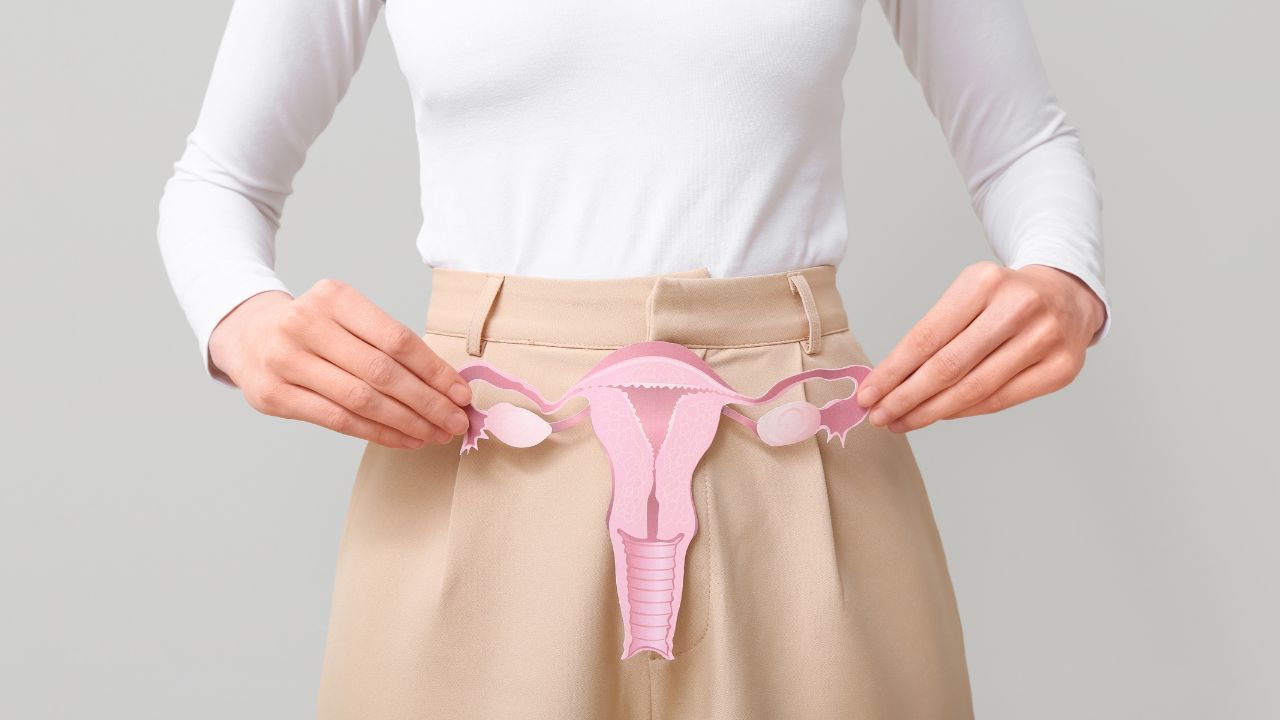
Let me guess. You've been told that vaginal estrogen will sort out your bladder urgency, your dryness, your burning sensation, your painful sex etc. And maybe it has helped a bit. But you're still dealing with symptoms that just won't budge, and nobody can seem to explain why.
OR you've been doing pelvic floor release work and you're seeing improvements, but something still feels off and you're wondering if hormones are part of your picture too.
Everytime I post on instagram about doing pelvic floor release for these symptoms, there’s usually someone telling me “vaginal estrogen helps with that too ya know”.
Here's the thing: both vaginal estrogen AND pelvic floor release work are genuinely powerful tools. But they do completely different jobs. And most women are only getting half the answer.
So let’s break it down.
What Vaginal Estrogen Does
Vaginal estrogen is a cream applied directly to the vaginal tissues, unlike systemic (whole body) HRT, it works locally rather than thro...
Why Classical Pilates Got The Breathing Wrong And What It Means for Your Pelvic Floor
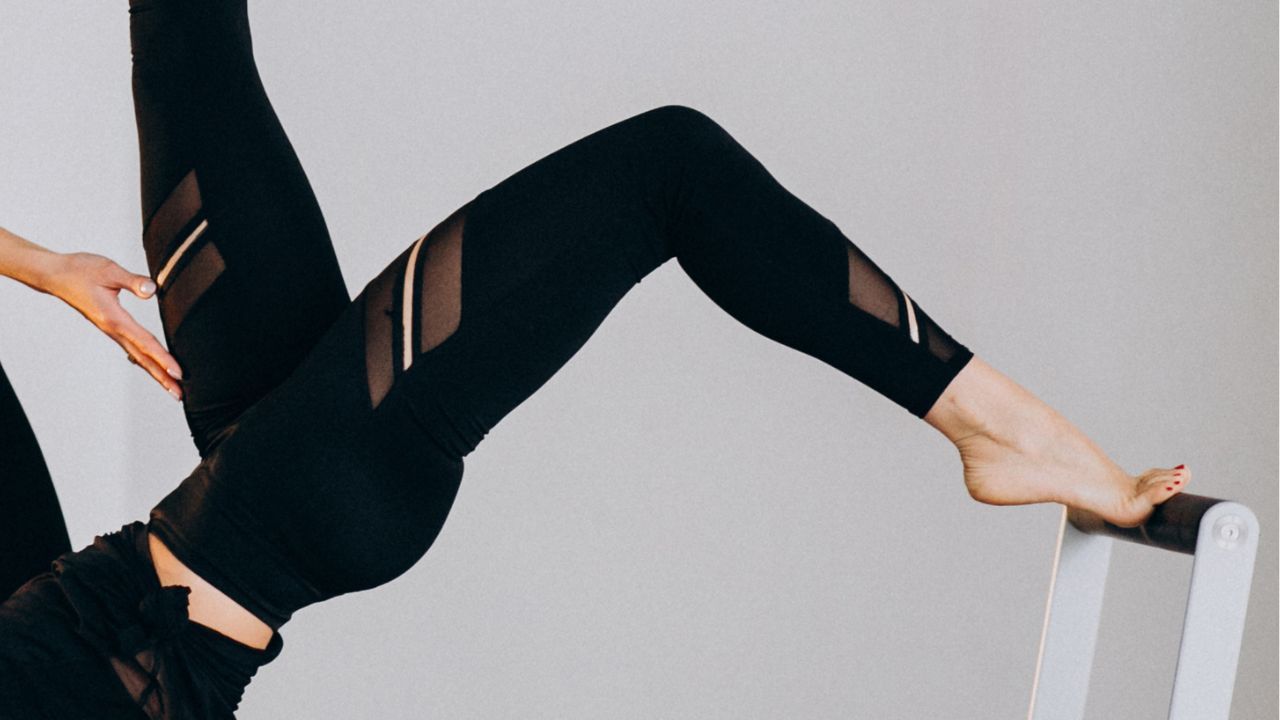
A student asked me a great question on one of my reels this week:
“Why do classical Pilates instructors teach inhale as you push out on the reformer footwork, but contemporary Pilates teaches the breath the other way around?”
It’s actually a question that changed the direction of my entire career, so I wanted to answer it properly. But to understand why the cuing differs, you first need to know a little about the divide between classical and contemporary Pilates.
Classical vs Contemporary Pilates: What’s the Difference?
Classical Pilates or “East Coast Pilates” is rooted in the original work of Joseph Pilates, who developed his method in the early 20th century. Classical teachers aim to preserve that work as closely as possible: the original exercises, the original sequence, the original cuing. It’s a purist lineage, and there are teachers who have dedicated their careers to keeping it intact.
Contemporary Pilates (otherwise known as West Coast Pilates) is a slightly more moder...
Here’s What Chronic Glute Clenching Does To Your Pelvic Floor...
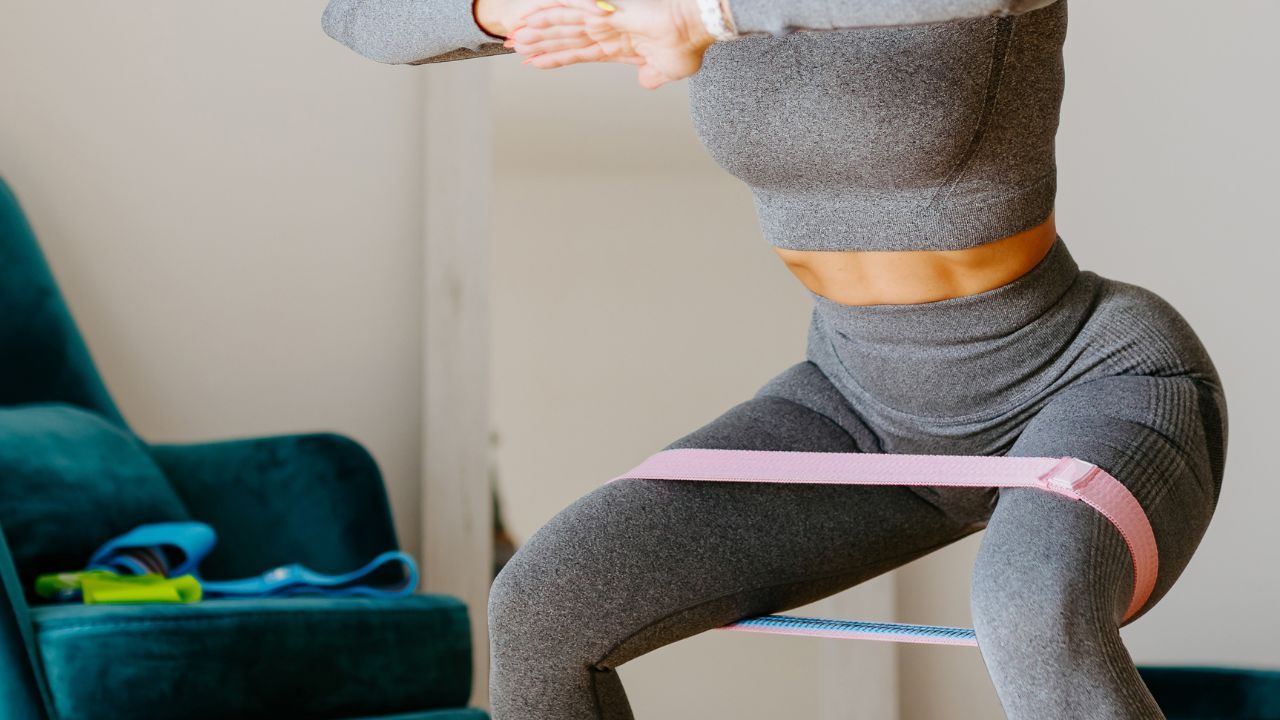
If you've ever been told you have a tight pelvic floor, I want you to try something right now:
Clench your glutes. Hard. Like you're trying to crack a walnut between your butt cheeks.
Now, without releasing your glutes, try to completely relax your pelvic floor.
Can't do it, can you?
That's because your glutes and pelvic floor are a team. They fire together, they hold tension together, and when one is chronically clenched, the other one is too.
So if you've been spending your entire day squeezing your butt — whether you're doing it for posture, to keep your butt looking "perky," or because you unconsciously hold stress there — your pelvic floor is paying the price.
Let me explain why this happens, what it means for your body, and how to finally break the cycle.
Your Glutes and Pelvic Floor Are Connected (Literally)
Your glutes and pelvic floor aren't just neighbors. They're physically and neurologically linked.
Anatomically, they share fascial connections and work as part o...
Why Your Hips Feel Painful When You Release Pelvic Floor Tension
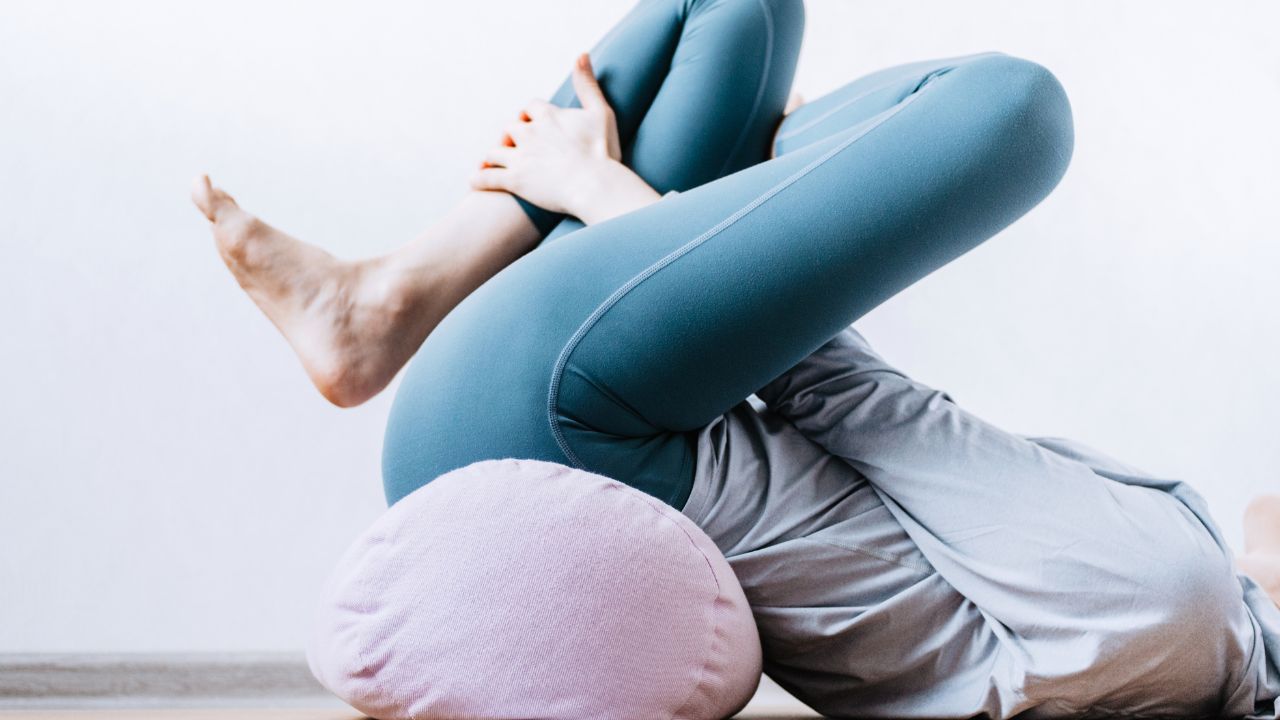
If you’ve been doing pelvic floor release work and suddenly your hips start to ache, just know you’re definitely not doing anything wrong.
In fact, this is extremely common with effective pelvic floor release work!
When I first started releasing my own pelvic floor years ago, I remember thinking, “Wait a second… why do my hips hurt more now that I’m finally relaxing?” It felt so counterintuitive. But what I learned (and what I teach now in all my programs) is that the hips and pelvic floor are so deeply connected that when one changes, the other has to adapt.
That adaptation can feel like soreness, tenderness, or even a strange deep ache in your hips or low pelvis. Let’s unpack why that happens — and why it’s actually a good sign that your body is healing.
1. Your Pelvic Floor and Hips Are Teammates
Most people think of the pelvic floor as this mysterious little group of muscles “down there.”
But in reality, it’s part of a whole team — one that includes your diaphragm, deep co...
Why a tight pelvic floor is NOT the same as a strong one!

And why "just do more Kegels" might be making your symptoms worse
"A tight pelvic floor is NOT the same as a strong one!"
I say this at least five times a day to students, and honestly? I will literally die on this hill. Because this single misunderstanding is responsible for more failed pelvic floor treatments, worsened symptoms, and frustrated women than almost any other misconception in women's health.
Yet somehow, we've created a culture where "tight" and "strong" are used interchangeably when it comes to pelvic floor muscles. And this confusion is causing real harm.
An Analogy To Help Explain It
Picture this: What if you walked around with your bicep muscle flexed 24/7?

Your arm would be stuck in a permanent bent position. That muscle would be tight, sure, but would it be strong? Would it be functional? Would it be able to perform when you actually needed it to?
Of course not. It would be dysfunctional, painful, and completely unable to work properly. You'd have trou...
The 5 Functions of Your Pelvic Floor
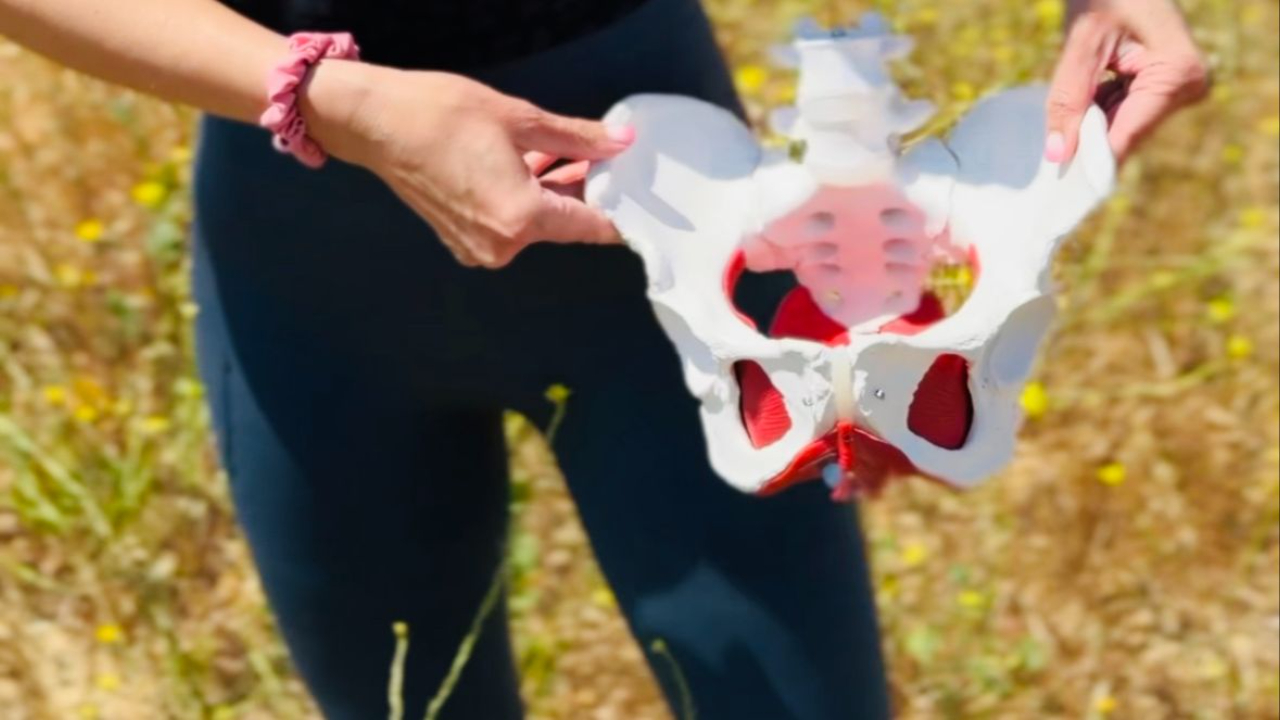
I bet you didn’t know your pelvic floor was responsible for so much, but understanding these functions changes everything about how we think about pelvic floor dysfunction!
The Question That Started It All
"So... what exactly does the pelvic floor DO?"
I was asked this question by a private client during our first session together. She'd been dealing with pelvic pain for two years, had seen multiple doctors, and had been told she needed "pelvic floor therapy" – but nobody had ever actually explained what her pelvic floor was supposed to be doing in the first place, and she was feeling frustrated and like she just didn’t “get it”.
I realized in that moment how backwards our approach to pelvic floor health really is. We wait until something goes wrong, then try to fix it, without ever understanding what "right" actually looks (or feels) like.
Imagine trying to repair a car engine when you have no idea how it's supposed to function when it's working properly!
The Oversimplif...
Why Pelvic Floor Dysfunction Isn't Just a "Women's Issue"

Breaking down the myth that pelvic floor health only matters for moms and older women
I’m the kind of girl who goes to a barbeque and everyone starts asking me about their pelvic floor symptoms 🤦♀️🤣
So it was no surprise at all when I was at a barbecue last summer when it came up in conversation (as it always somehow does amongst the over 40 crowd!), and my good friend mentioned that her husband had been dealing with some "bathroom issues" since his back surgery six months earlier. He was frustrated, embarrassed, and convinced it was just part of getting older at 45.
She called him over and asked me to explain to him the link between pelvic floor dysfunction and low back pain/spine injuries. (More on that here).
The look he gave me was priceless. "Isn't that... for women? Like, after they have babies?"
This just goes to show what a huge blind spot there is around pelvic floor health that's leaving millions of people – men, children, teenagers, seniors – without the knowledge...
Why Kegels Alone Don’t Always Work
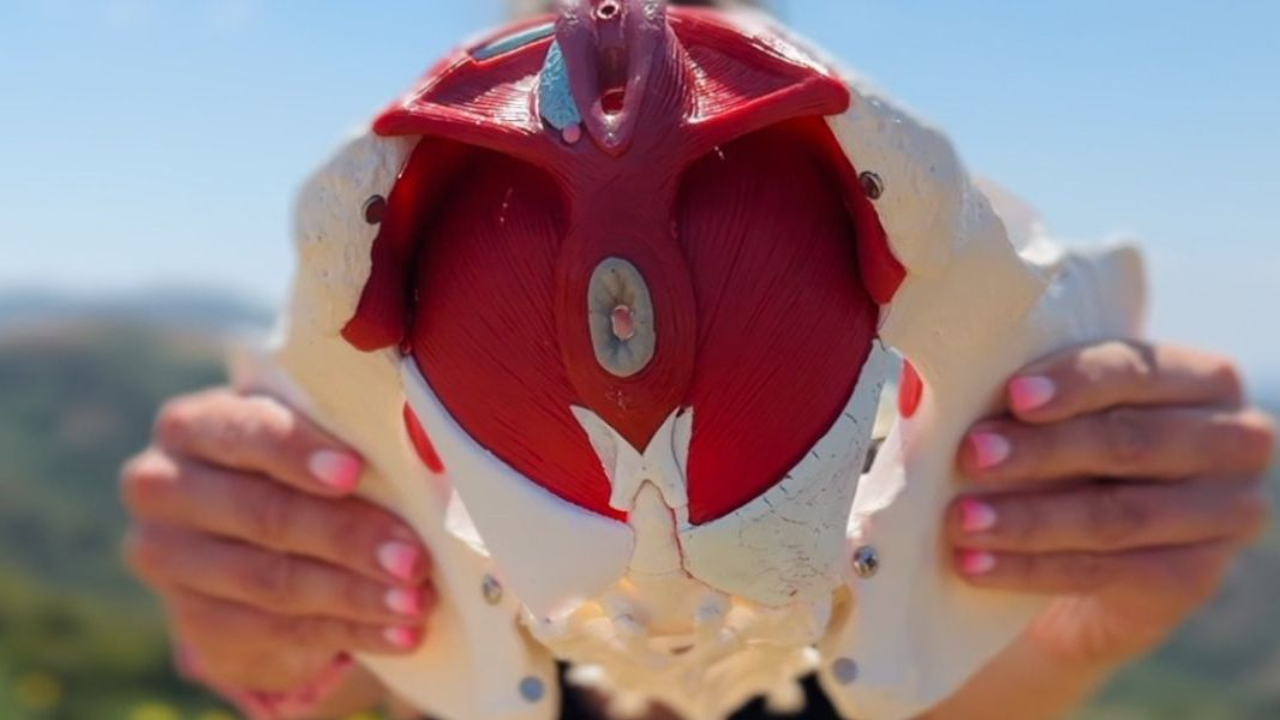
The Revelation That Changed My Relationship With My Body
Picture this: You're six months postpartum, finally feeling ready to get back into running. You lace up your shoes, step outside, and within the first few strides, you feel it – that uncomfortable sensation like your vagina is literally falling out of your body.
This was my reality. And like so many women, I thought something was fundamentally wrong with me. I convinced myself that running just "wasn't for me anymore," that my body had permanently changed in ways that would forever limit what I could do.
If only i'd known what was actually happening in my body. If only I'd understood the truth about my pelvic floor – not the oversimplified version we're usually given, but the real, complex, fascinating system that it actually is.
Understanding the Pelvic Floor: More Than Just Muscles
Here's what most of us were taught about the pelvic floor (if we were taught anything at all):
"It's that muscle down there. Just do your K...
The problem with Amazon...

The problem with amazon, is that we've all come to expect our deliveries... tomorrow!
So when we order something that's not on amazon and it says it's going to take *shock, horror* FIVE business days, I'm going to take a wild guess that we get a smidge... impatient, am I right?!
How does this relate to your pelvic floor..?
I'll tell you.
I get DMs on a literal DAILY basic from people who say "I have this issue, or that issue. Do you think I can fix it without surgery..?"
To which I always respond "surgery should always be a last resort. Which exercises have you being doing already to help with this?"
To which the response is almost always... "nothing" 👀
Or... "I tried some exercises for one day, but it didn't help so I stopped".
And then there's this other question I get asked which is "I've just finished Day 2 of your program but i'm feeling super frustrated because I'm still having symptoms, and I can't understand why it's not working"
To which I usu...
