
Here’s What Chronic Glute Clenching Does To Your Pelvic Floor...
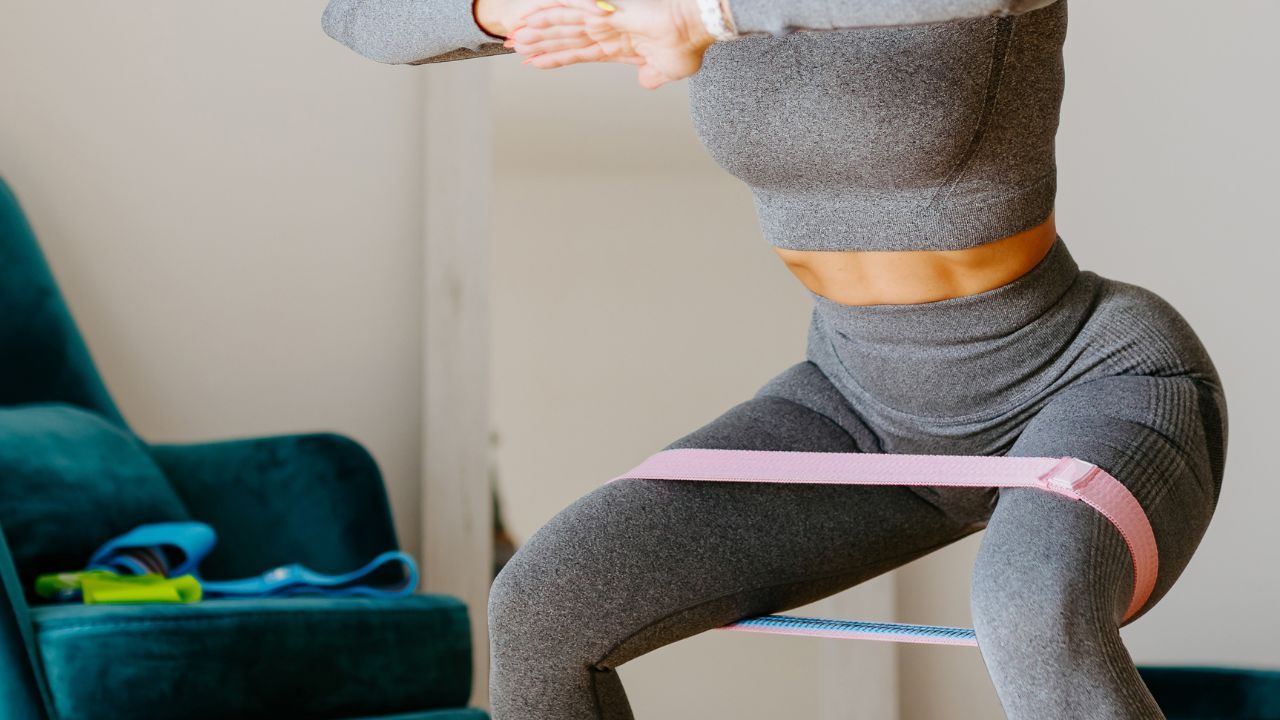
If you've ever been told you have a tight pelvic floor, I want you to try something right now:
Clench your glutes. Hard. Like you're trying to crack a walnut between your butt cheeks.
Now, without releasing your glutes, try to completely relax your pelvic floor.
Can't do it, can you?
That's because your glutes and pelvic floor are a team. They fire together, they hold tension together, and when one is chronically clenched, the other one is too.
So if you've been spending your entire day squeezing your butt — whether you're doing it for posture, to keep your butt looking "perky," or because you unconsciously hold stress there — your pelvic floor is paying the price.
Let me explain why this happens, what it means for your body, and how to finally break the cycle.
Your Glutes and Pelvic Floor Are Connected (Literally)
Your glutes and pelvic floor aren't just neighbors. They're physically and neurologically linked.
Anatomically, they share fascial connections and work as part of the same posterior chain system. When you clench your glutes, you're creating tension that literally pulls on the pelvic floor tissues. These muscles can't exist in isolation from each other.
But the connection goes deeper than that.
Your brain doesn't control individual muscles in perfect isolation. It controls movement patterns. So when you habitually clench your glutes, you're activating a "grip and stabilize" pattern that almost always includes some level of pelvic floor co-contraction.
It's a package deal.
When you squeeze your butt to "engage your core" during a workout, your pelvic floor comes along for the ride. When you tuck your pelvis under and clench your glutes to "fix" your posture, your pelvic floor tightens too. When you unconsciously hold tension in your butt because you're stressed or anxious, your pelvic floor is gripping right alongside it.
And when this becomes your default state all day long? Your pelvic floor never gets a break.
What Happens When You Clench Your Glutes All Day
Your muscles aren't designed to be "on" 24/7.
They're designed to contract when you need them, then fully release and rest. That's how they stay healthy, coordinated, and functional.
But when you're constantly clenching your glutes, your pelvic floor is constantly working at a low level. It's always recruited, always engaged, always holding on.
Over time, this creates a few major problems:
1. Your Pelvic Floor Forgets How to Relax
If your pelvic floor is never fully releasing, it loses its resting tone. It forgets what true relaxation feels like because it's always "on" at some level.
This isn't strength. It's dysfunction.
A healthy pelvic floor should be able to fully contract when you need it to (like when you cough, jump, or lift something heavy) and fully release when you don't. But when it's chronically tight, it gets stuck in the middle. It can't fully contract because it's already partially contracted all the time, and it can't fully relax because that's not its baseline anymore.
2. You Lose Coordination
Tight doesn't mean strong. In fact, tight usually means weak.
When your pelvic floor muscles are chronically tense, they lose their ability to coordinate properly. They can't respond to pressure changes, they can't support you effectively, and they can't do the job they were designed to do.
Think of it like trying to jump when your knees are already bent and locked in place. You can't generate power because you're stuck in tension instead of starting from a relaxed, ready position.
3. It Becomes Unconscious
After a while, you don't even realize you're doing it anymore.
Chronic glute clenching becomes your new normal. The tension becomes your baseline. You're not actively choosing to clench — your body is just living there now.
And because it's unconscious, it's incredibly hard to break the pattern. You can't release something you don't even know you're holding.
Why Are You Clenching in the First Place?
Before we talk about how to fix this, it's worth asking: why are you clenching your glutes all day?
For a lot of women, it's one (or more) of these reasons:
Stress holding: Your body stores stress and tension, and for many people, the glutes (and pelvic floor) are where that tension lives.
Postural compensation: You've been taught to "engage your core" or "tuck your pelvis" for better posture, and that often translates into chronic glute clenching.
Aesthetic reasons: You've been told that squeezing your glutes keeps your butt lifted and toned, so you're doing it constantly throughout the day.
Habit: You started doing it for one of the reasons above, and now it's just automatic. You're not even aware of it anymore.
Whatever the reason, the pattern is the same: chronic tension that your pelvic floor can't escape from.
How to Break the Glute Clenching Habit
The fix isn't complicated, but it does require awareness and practice.
Here's where to start:
1. Notice When You're Doing It
The first step is simply becoming aware of the pattern.
Start checking in with your body throughout the day. Are your glutes clenched right now? What about when you're standing? Sitting? Walking? Working out?
You might be surprised at how often you're holding tension without realizing it.
2. Learn What True Relaxation Feels Like
Once you've noticed the pattern, you need to teach your body what it feels like to truly let go.
Try this: sit in a comfortable chair with your feet flat on the floor. Take a deep breath in through your nose, then exhale slowly through your mouth. On your next inhalation, consciously soften your glutes and let your pelvic floor release downward.
It might feel strange at first — like you're "letting everything go" or losing stability. That's okay. Your body is learning a new way of being.
Practice this throughout the day. Every time you catch yourself clenching, take a breath and consciously release.
3. Retrain Your Breathing
Your breath is one of the most powerful tools you have for releasing pelvic floor tension.
When you breathe properly (with a full 360-degree expansion of your ribcage and a soft, relaxed belly), your diaphragm descends and gently encourages your pelvic floor to release downward.
But when you're constantly holding your breath, breathing shallowly, or keeping your abs braced, your diaphragm can't move properly — and your pelvic floor stays tight.
Spend a few minutes each day practicing slow, deep breathing with a completely relaxed belly and butt. Let everything soften. Let everything release.
4. Stop "Engaging Your Core" All Day
Your core is designed to respond to demand, not to be "engaged" 24/7. When you're constantly bracing or "pulling in," you're creating the same chronic tension pattern that leads to a tight pelvic floor.
Instead, focus on building a responsive core — one that can activate when you need it and release when you don't.
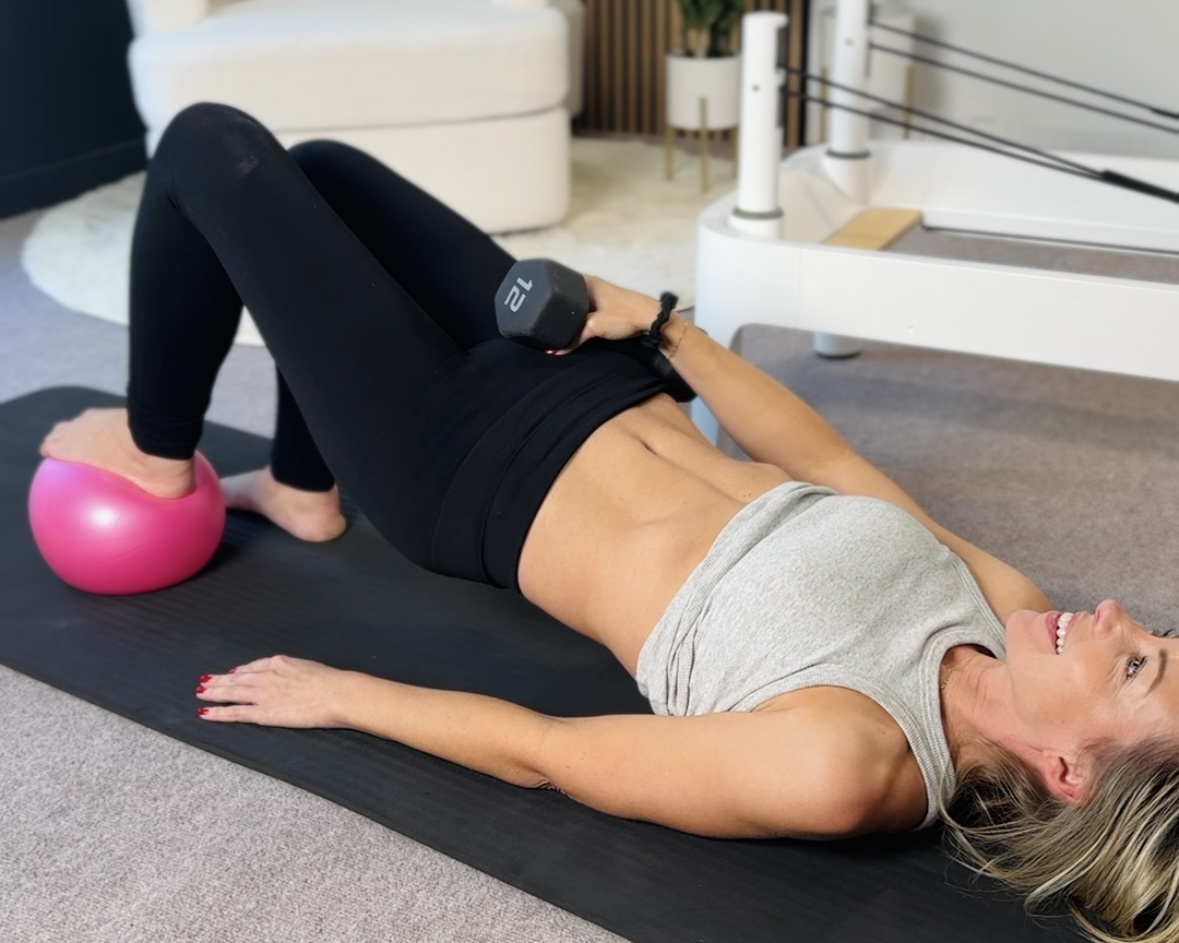
5. Strengthen Your Glutes Without Clenching
Yes, you can (and should) strengthen your glutes. But there's a difference between intentional, coordinated glute work during exercise and chronic, unconscious clenching throughout the day.
When you're doing glute exercises, focus on full range of motion — fully contracting at the top of the movement, then fully releasing at the bottom. This teaches your nervous system that it's okay to let go.
And when you're not working out? Let your glutes rest.
The Bottom Line
If you have a tight pelvic floor and you've been chronically clenching your glutes, those two things are connected.
Your body is holding tension in a pattern, and until you break that pattern, your pelvic floor won't be able to truly relax — no matter how many stretches or release exercises you do.
Once you become aware of it, you can change it.
You can teach your body what true relaxation feels like. You can retrain your breathing. You can break the habit of constant clenching.
And when you do, your pelvic floor (and your whole body) will thank you.
Ready to Release Your Tight Pelvic Floor?
If this resonates with you, if you suspect your pelvic floor is holding chronic tension and you're ready to finally let it go, my Tight Pelvic Floor Fix program was made for you.
It's a science-backed system that helps you release tension, retrain your breathing, and rebuild coordination between your pelvic floor, core, and hips, without endless Kegels or confusion.
You'll learn how to recognize tension patterns (like chronic glute clenching), release them safely, and strengthen your body from a place of balance instead of bracing.
Learn more and join The Tight Pelvic Floor Fix here.
Your pelvic floor (and your glutes) will finally get to rest. 💛
